Julia Signature Font
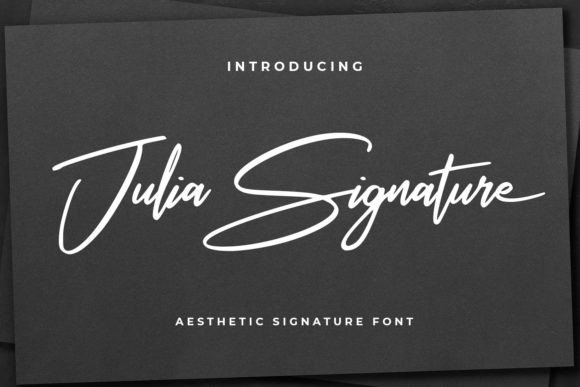
Julia Signature is a natural handwritten font that brings a personal and artistic touch to editorial design. As a script amp, it offers a unique blend of elegance and approachability, making it ideal for content creators who want to elevate their visual storytelling. Whether you're designing a blog header, a magazine cover, or a printable guide, Julia Signature adds character and clarity without sacrificing readability.
Designed with the needs of publishers and content creators in mind, Julia Signature is more than just a decorative typeface. It’s a versatile tool that supports a wide range of editorial applications. From headlines to pull quotes, this font maintains a consistent personality while adapting to different layout requirements. Its fluid strokes and subtle variations give it a handcrafted feel, which can help establish a strong brand identity across various media.
Editorial Design with Julia Signature
For editorial designers, Julia Signature offers a fresh alternative to standard serif or sans serif fonts. It works particularly well in layouts where a human touch is desired, such as in lifestyle blogs, recipe e-books, or wedding guides. The font’s natural flow makes it perfect for chapter openers, section headings, and lead magnets that need to capture attention while maintaining a cohesive aesthetic.
In a digital magazine, Julia Signature can be used to highlight key sections or introduce new topics. Its legibility on screen ensures that readers don’t lose focus, even when used in larger sizes. When paired with a clean, readable font like a serif or sans serif, it creates a balanced contrast that enhances visual hierarchy without overwhelming the reader.
Brand Identity and Reader Engagement
Julia Signature helps create a distinct brand voice by adding a personal and artistic flair to your content. For independent content brands, this font can serve as a signature element that sets your work apart. It’s especially effective in newsletters, where a handwritten style can make the content feel more intimate and engaging.
When used in social media graphics or web banners, Julia Signature can reinforce your brand’s visual tone. It’s also useful for creating quote graphics that resonate with your audience. Whether you’re sharing motivational messages, product slogans, or user testimonials, the font’s expressive nature makes it easy to convey emotion and authenticity.
Practical Applications for Content Creators
Content creators can use Julia Signature in a variety of formats. For example, in a coaching workbook, it can be used for section titles or key takeaways, offering a visual break from dense text. In a printable planner, it adds a personalized touch to daily prompts or goal-setting sections. For a recipe e-book, it can be used for dish names or ingredient lists, giving the publication a warm and inviting look.
The font is also suitable for packaging design, where a handwritten element can add a sense of craftsmanship. In print materials, it performs well in both small and large sizes, making it adaptable for everything from business cards to posters. Its versatility ensures that it can be used across multiple platforms without losing its visual appeal.
Readability and Layout Considerations
While Julia Signature is a display font, it’s designed with readability in mind. On mobile devices and desktop screens, it remains legible at reasonable sizes, making it suitable for headers and subheaders. When exporting to PDF or using it in print, the font retains its clarity and structure, ensuring that your designs look professional in any format.
For longer reading passages, it’s best to pair Julia Signature with a more traditional typeface. This combination allows the handwritten font to serve as an accent rather than a primary text font. Using it for headings, pull quotes, or section dividers keeps the focus on the content while still benefiting from its visual appeal.
Font Pairing and Design Assets
Pairing Julia Signature with other fonts can enhance your editorial layout. A classic serif font like Georgia or Times New Roman can provide a strong foundation for body text, while a modern sans serif like Helvetica or Arial can be used for captions or navigation elements. This balance ensures that your design remains both stylish and functional.
When selecting design assets, consider the full range of styles available with Julia Signature. If it includes alternates, ligatures, or multiple weights, these features can add depth to your typography. For multilingual projects, check if the font supports additional characters and symbols to ensure consistency across languages.
Commercial Licensing and Usage
Before using Julia Signature in commercial projects, review the licensing terms. Most premium fonts allow for use in ebooks, templates, printables, and paid newsletters, but it’s important to confirm the specific rights associated with your intended use. For client publications or digital downloads, proper licensing ensures that your work remains compliant and protected.
As a creative font, Julia Signature offers a unique way to express your brand’s personality. Whether you’re designing a digital magazine, a printable worksheet, or a social media campaign, it provides a level of authenticity that can strengthen your connection with your audience. With its elegant yet approachable style, it’s a valuable addition to any designer’s toolkit.
By integrating Julia Signature into your editorial workflow, you can create visually compelling content that stands out. Its ability to blend form and function makes it a powerful asset for publishers, bloggers, and content creators who value both aesthetics and usability.